
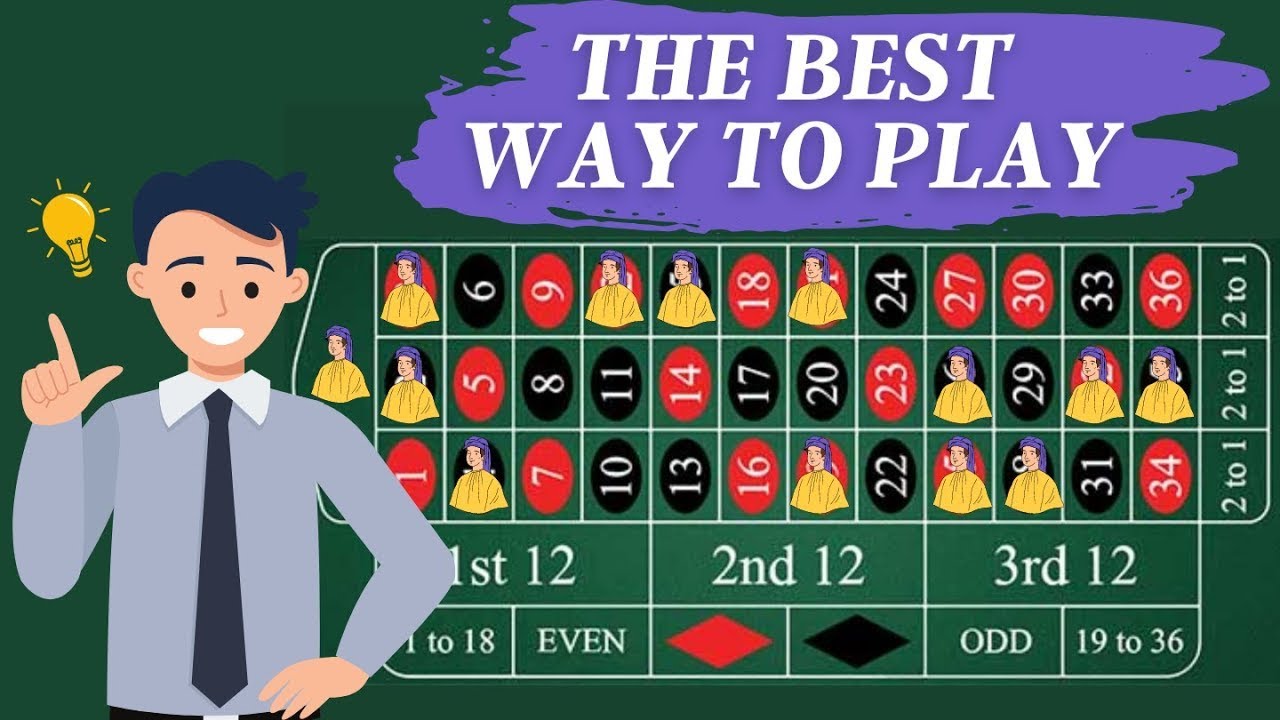
Unlocking Success with the Fibonacci Roulette System: Your Guide to Winning Strategies
Mastering Roulette: A Comprehensive Guide to Effective Roulette Strategies
Roulette is one of the most iconic games found in casinos worldwide, drawing players in with its alluring spinning wheel and thrilling betting possibilities. While roulette is fundamentally a game of chance, implementing effective strategies can enhance your experience and potentially improve your odds of winning. In this article, we’ll delve deep into various roulette strategies that players can use, explore their effectiveness, and provide actionable advice that can make your roulette journey more successful.
Understanding the Basics of Roulette
Before diving into the strategies, it’s essential to grasp how roulette works. The game is played on a revolving wheel with numbered pockets (slots) and a corresponding betting layout on the table. The two primary versions of roulette are:
- European Roulette: Features a single zero (0) which gives the house a 2.7% edge.
- American Roulette: Contains both a single zero (0) and a double zero (00), resulting in a higher house edge of 5.26%.
Understanding these differences is crucial, as they can significantly influence your choice of strategy.
Key Roulette Strategies
Various strategies have emerged over the years, each with its unique methodologies and risk profiles. Let’s explore some of the most popular and effective roulette strategies.
1. The Martingale Strategy
Overview: The Martingale system is one of the simplest and most widely recognised betting strategies. It is based on the principle of doubling your bet after every loss.
How It Works:
- Start with a base bet on an even-money wager (e.g., red or black).
- If you lose, double your bet for the next round.
- The goal is to recover all previous losses and gain a profit equal to your original bet.
Example:
- Bet £10 on red, lose; bet £20 on red, lose; bet £40 on red, win, and recover all losses plus a profit of £10.
Pros and Cons:
- Pros: Simple to execute and can yield quick wins.
- Cons: Requires a significant bankroll; it can lead to substantial losses during a losing streak, and casinos often have table limits that can restrict your ability to recover losses.
2. The Reverse Martingale (Paroli)
Overview: The Reverse Martingale, or Paroli, is the opposite of the Martingale strategy. It encourages increasing your bets when you win rather than when you lose.
How It Works:
- Start with a base bet.
- If you win, double your bet for the next round. If you lose, revert to your base bet.
- This method aims to capitalise on winning streaks and limit losses.
Pros and Cons:
- Pros: Protects your bankroll during losing streaks and can lead to substantial profits during winning streaks.
- Cons: Requires a degree of luck, as winning streaks can be unpredictable.
3. The D’Alembert Strategy
Overview: The D’Alembert system is a more conservative alternative to the Martingale strategy. It involves increasing your bet by one unit after a loss and decreasing it by one unit after a win.
How It Works:
- Start with a base bet (e.g., £10).
- After a loss, increase your next bet to £11; after a win, lower it back to £10.
Pros and Cons:
- Pros: Lower risk than Martingale and helps balance wins and losses.
- Cons: Slower profit growth and can still lead to losses in significant losing streaks.
4. The Fibonacci Strategy
Overview: Based on the famous Fibonacci sequence, this strategy involves betting according to a mathematical sequence where each number is the sum of the two preceding numbers.
How It Works:
- Begin with the first two numbers in the Fibonacci sequence (1, 1).
- If you win, move back two steps in the sequence; if you lose, move one step forward.
The sequence progression would look like this: 1, 1, 2, 3, 5, 8, 13, etc.
Pros and Cons:
- Pros: Provides a structured approach to betting and aims to mitigate losses over time.
- Cons: Can still result in significant losses if a losing streak occurs, especially since it encourages progressively larger bets over time.
Choosing the Right Strategy
Selecting the best strategy depends on your risk tolerance, bankroll size, and playing style. New players may find simpler systems like the Martingale or D’Alembert more manageable, while more experienced players might prefer the Fibonacci or Reverse Martingale strategies for their mathematical approach.
Key Considerations:
- Bankroll Management: Always determine your budget before you begin playing. It’s crucial to know when to quit, whether you’re ahead or behind.
- Game Version: Play European roulette where possible, as it has better odds due to the absence of the double zero.
- Table Limits: Be mindful of table limits which can restrict your ability to execute certain strategies.
The Importance of Responsible Gambling
While strategies can enhance your playing experience, it’s vital to remember that roulette is ultimately a game of chance. Winning streaks and losing streaks can happen to anyone, and it’s important to play responsibly. Set limits on both wins and losses, ensure you’re playing with money you can afford to lose, and take breaks to enjoy the game without stress.
Utilizing Tools to Enhance Your Roulette Game
In the era of technology, various tools can assist you in implementing your roulette strategies more effectively. For instance, the tools available at Roulette Calculators can help you understand the odds better, track your gameplay and develop more structured betting approaches. These calculators can be instrumental in deciding how much to bet, when to increase your bets, and how to manage your bankroll efficiently, ultimately enhancing your odds of success.
Benefits of Using Tools from Roulette Calculators
- Mathematical Insights: Gain deeper insights into the probabilities behind your betting choices.
- Bet Tracking: Efficiently track your bets, wins, and losses, allowing you to adjust your strategy as needed.
- Custom Recommendations: Utilise tailored strategies based on your playing style and risk appetite.
Conclusion
Mastering roulette requires a combination of strategy, understanding the game mechanics, and responsible gambling practices. Whether you choose the Martingale, D’Alembert, Fibonacci, or Reverse Martingale approach, it’s essential to stay disciplined, keep track of your bankroll, and remember the nature of chance that defines the game. By honing your strategies and using the right tools, you can enhance your roulette experience.
For more information on the tools from Roulette Calculators, visit https://roulettecalculators.com. Start employing these insights today and take your roulette game to new heights!


Latest Post

news via inbox
Nulla turp dis cursus. Integer liberos euismod pretium faucibua


