
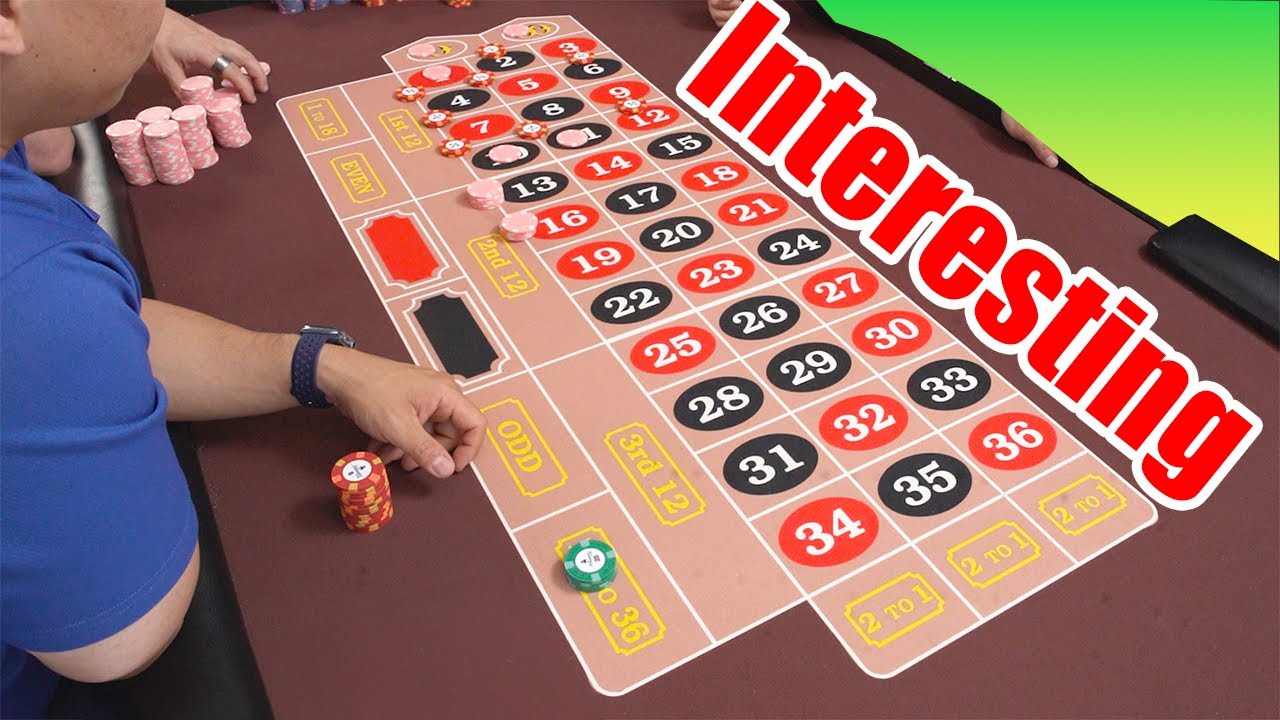
Unlocking Fortune: The Fusion of Two Ancient Roulette Systems at Pitstop
Mastering the Roulette Strategy: Elevate Your Game with Proven Techniques
Roulette remains one of the most tantalising and iconic casino games worldwide. The appeal lies not only in its glittering wheel and thrilling ambience but in the strategy that players can adopt to enhance their success rate. This article delves deep into winning roulette strategies, equipping you with actionable advice to boost your game. Whether you’re a novice eager to learn or a seasoned player seeking to refine your skills, understanding the nuances of a roulette strategy could significantly impact your gameplay.
Understanding the Basics of Roulette
Before diving into the strategies, it’s crucial to comprehend the basics of the game itself. At its core, roulette involves a spinning wheel with numbered slots ranging from 0 to 36, with the American variant featuring an additional 00 slot. Players place bets on where they believe the ball will land after the wheel has spun.
Types of Bets
Roulette offers a variety of betting options, categorised into two primary types:
- Inside Bets: These bets are placed on specific numbers or a small range of numbers. Inside bets generally offer higher payouts but come with increased risk.
- Outside Bets: These encompass broader categories such as red or black, odd or even, or high (19-36) and low (1-18) numbers. While outside bets yield lower payouts, they present a higher chance of winning.
Understanding these betting types is essential as it forms the foundation for your strategic approach to the game.
The Importance of a Solid Strategy
While roulette is predominantly a game of chance, employing a well-structured strategy can significantly improve your odds. The right approach can help you manage your bankroll effectively, reduce losses, and maximise your chances of success. Below are some proven strategies that you can consider adopting.
1. The Martingale Strategy
The Martingale betting strategy is a well-known approach that revolves around betting on even-money bets, such as red/black or odd/even. Here’s how it works:
- Doubling Your Bet: After a loss, you double your previous bet. The idea is that eventually, you will win, covering all previous losses.
- Setting a Limit: It’s critical to establish a maximum bet limit to prevent significant losses. If you encounter a losing streak, your bets can escalate quickly.
Pros: This strategy is straightforward and can yield quick, small profits.
Cons: It requires a substantial bankroll and carries the risk of hitting table limits, preventing you from continuing your strategy when needed.
2. The Reverse Martingale Strategy
Also known as the Paroli system, the Reverse Martingale is an alternative that focuses on capitalising on winning streaks. Here’s how it operates:
- Increasing Bets: After a win, you increase your bet to take advantage of the streak.
- Capping Wins: Once you’ve achieved a predetermined target, revert back to your initial bet.
Pros: This strategy allows you to maximise your profits while limiting your risk of loss.
Cons: Advancing too quickly can lead to significant losses if the streak ends.
3. The Fibonacci Strategy
Utilising the famous Fibonacci sequence, this betting strategy involves making bets based on the mathematical sequence: 1, 1, 2, 3, 5, 8, and so forth. The key principles include:
- Progressive Betting: After a loss, you move one step forward in the sequence. After a win, you move two steps back.
- Risk Management: This is a slower strategy than Martingale and aims to recover losses gradually.
Pros: The Fibonacci strategy is conservative and can lead to more sustainable bankroll management.
Cons: It still requires a decent bankroll and doesn’t guarantee wins.
4. The D’Alembert Strategy
The D’Alembert strategy balances the martingale approach by adjusting bets based on wins and losses. Here’s how it’s applied:
- Incremental Changes: You increase your bet by one unit after a loss and decrease it by one after a win.
- Steady Recovery: The aim is to recover losses more gradually than the Martingale system.
Pros: This strategy is less risky and doesn’t require the same level of bankroll as the Martingale approach.
Cons: Wins may be smaller and more sporadic, meaning profits can be slower to accumulate.
Choosing the Right Strategy for Your Game
Selecting the appropriate strategy largely depends on your playing style, risk tolerance, and bankroll. Here are some tips to help you make an informed decision:
- Assess Your Bankroll: Before choosing a strategy, determine how much you are willing to spend and how much time you plan to play.
- Set a Time Limit: Establish how long you intend to play and stick to that timeframe. This will help manage potential losses.
- Test Strategies with Free Games: Many online casinos offer free roulette games. Utilise these platforms to test different strategies without the financial risk.
- Keep Emotions in Check: Roulette can be an emotional game, especially during losing streaks. Maintain a level head and stick to your strategy, regardless of the outcomes.
Implementing Effective Bankroll Management
While having a strategy is important, effective bankroll management can significantly enhance your overall success in roulette. Here are some actionable tips:
- Choose a Betting Unit: Decide on a base unit for your bets based on your total bankroll, ensuring it’s a small percentage of your total funds.
- Set Loss Limits: Determine a loss limit for each session to prevent over-expenditure.
- Regularly Review Your Wins and Losses: Maintain detailed records of your game outcomes to gain insights into your performance and make necessary adjustments.
Understanding the Odds: The House Edge
Every casino game has a built-in advantage for the house, known as the house edge. In roulette, this edge varies depending on the type of game:
- European Roulette: Has a house edge of approximately 2.7%, making this variant more favourable for players.
- American Roulette: With an additional 00 slot, the house edge increases to around 5.26%.
Choosing to play European roulette can enhance your odds, so consider this when selecting a table.
The Role of Technology: Tools for Roulette Players
In today’s digital age, utilising technology can add an extra layer of strategy to your roulette game. Websites like Roulette Calculators offer valuable tools that can help you analyse your strategies and optimise your gameplay. Here are some benefits of using these tools:
- Betting Calculators: These tools allow you to simulate different betting strategies and see potential outcomes based on historical data.
- Statistical Analysis: You can access detailed statistics regarding different bets, helping you make informed decisions.
- Game Simulation: Test your strategies against various scenarios without the financial risk associated with live play.
Conclusion
Mastering roulette is all about understanding the game and developing a personalised strategy that suits your playing style. Whether you choose the Martingale, Fibonacci, or another approach, remember to practice effective bankroll management and maintain a disciplined mindset. The journey to becoming a proficient player takes time, so be patient and consistent.
For more information on the tools from Roulette Calculators, visit https://roulettecalculators.com. Embrace the resources available to you and take your roulette game to new heights!


Latest Post

news via inbox
Nulla turp dis cursus. Integer liberos euismod pretium faucibua


