
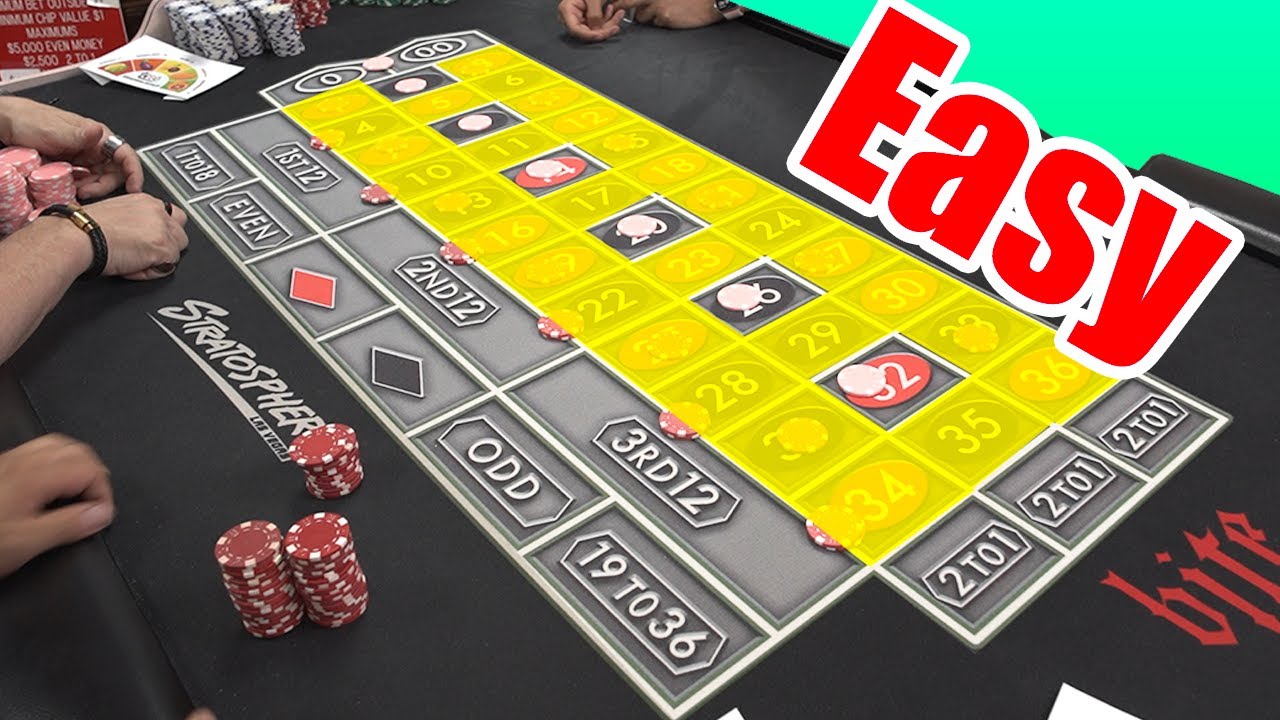
Master the Odds: Effective Roulette Strategies to Boost Your Bets
Mastering the Roulette Strategy: A Comprehensive Guide
Roulette is one of the most iconic games in the world of gambling. The thrill of watching the ball whirl around the spinning wheel, waiting for it to settle on a number, attracts players from all walks of life. However, while roulette is a game of chance, employing a successful roulette strategy can significantly enhance your gaming experience and potentially increase your winnings. In this detailed guide, we will delve into various effective strategies for playing roulette, exploring their mechanics and when to apply them.
Understanding the Basics of Roulette
Before jumping into strategies, it’s essential to grasp the fundamentals of roulette. The game consists of a wheel with numbered pockets, where players bet on individual numbers, groups of numbers, or colours (red/black). There are two main types of roulette: European and American. European roulette features 37 pockets (numbers 0-36), while American roulette includes 38 pockets (adding a second 00). The house edge in European roulette is approximately 2.7%, while in American roulette, it rises to around 5.26%, making European roulette the preferable choice for strategic play.
The Importance of Bankroll Management
Effective bankroll management is the cornerstone of any successful roulette strategy. Always set a gambling budget before starting, taking care to wager only what you can afford to lose. A common recommendation is to set a limit that represents no more than 5% of your total bankroll for any single session. This discipline not only allows for longer play but also helps mitigate the risk of chasing losses.
Popular Roulette Strategies
Various strategies have been designed to help players maximise their chances of winning at roulette. Here, we will explore several popular approaches, detailing how they work and their potential advantages.
1. The Martingale Strategy
The Martingale strategy is a classic betting system aimed at recovering losses by doubling the bet after each loss. The principle is simple: when you win, you regain your losses and make a profit equal to your original stake.
How to Implement:
- Start with a base bet (for example, £1 on red).
- If you lose, double your bet for the next round (e.g., £2).
- Continue doubling until you win.
- Upon winning, revert to your base bet.
Pros and Cons:
- Pros: Theoretically provides a high probability of winning back losses.
- Cons: Requires a substantial bankroll and is risky if a long losing streak occurs. Additionally, most casinos impose table limits that can restrict the effectiveness of this strategy.
2. The Reverse Martingale Strategy
The Reverse Martingale, or Paroli system, flips the classic Martingale approach. Instead of increasing your bet after a loss, you increase it after a win. This strategy aims to maximise winnings during hot streaks while minimising losses.
How to Implement:
- Start with a base bet (e.g., £1 on black).
- Upon winning, double your bet (e.g., £2, then £4).
- If you lose, return to the base bet.
- Set a limit for how many times you will continue doubling after a win.
Pros and Cons:
- Pros: Protects your bankroll during losing streaks and allows you to ride winning streaks.
- Cons: You can miss out on winnings if you fail to predict a losing streak.
3. The D’Alembert Strategy
The D’Alembert strategy is considered a less aggressive alternative to the Martingale system. Instead of doubling your bet after losses, you increase your stake by one unit. Conversely, you decrease your stake by one unit after a win.
How to Implement:
- Choose a base betting unit (e.g., £1).
- After a loss, increase your stake by one unit (£1 to £2).
- After a win, decrease your stake by one unit.
- Continue this process throughout your session.
Pros and Cons:
- Pros: Offers a moderate approach, reducing risk compared to the Martingale strategy.
- Cons: You may experience slow loss recovery during longer losing streaks.
4. The Fibonacci Strategy
The Fibonacci strategy is based on the famous Fibonacci sequence. Players increase their bets by following the sequence after a loss and revert two steps back after a win.
How to Implement:
- Start with the base unit (£1, which is the first number in the Fibonacci sequence).
- If you lose, move to the next number in the sequence (1, 2, 3, 5, 8, 13…).
- When you win, move back two numbers in the sequence.
Pros and Cons:
- Pros: Provides a systematic method for managing bets based on mathematical principles.
- Cons: Can take longer to recover losses, and like other strategies, it is subject to casino betting limits.
5. The James Bond Strategy
The James Bond strategy is a flat betting approach developed by Ian Fleming’s literary character James Bond. This strategy combines several betting options to cover a larger portion of the table.
How to Implement:
-
Place a total stake of £20 per round:
- £14 on high numbers (19-36)
- £5 on the 0
- £1 on a single number (typically 13)
- These bets cover 25 numbers (out of 37 on European roulette), increasing your chances of winning.
Pros and Cons:
- Pros: High chance of winning due to broad coverage on the table.
- Cons: Larger betting stakes can lead to quicker bankroll depletion.
Selecting the Right Strategy for You
Choosing the appropriate roulette strategy depends on your risk tolerance, bankroll size, and personal betting preferences. While aggressive strategies such as Martingale can yield quick wins, they also pose a significant risk of substantial losses. Conversely, more conservative approaches provide a steadier pace but could lead to slower returns. Therefore, before committing to a particular strategy, consider experimenting through free online roulette games to find one that suits your style.
Tools and Resources to Enhance Your Strategy
In today’s digital age, leveraging technology can provide an edge in your roulette strategy. Various tools and calculators are available to help bettors analyse outcomes, track bets, and make informed strategies. For instance, tools that simulate multiple roulette scenarios can help you understand risk, recognise patterns, and optimise your betting strategy.
Benefits of Using Roulette Calculators
Using roulette calculators can significantly improve your chances of winning by providing a sophisticated analytical edge. These tools enable players to:
- Track previous spins and outcomes.
- Identify trends and biases in the wheel.
- Simulate and test various betting strategies before applying them in a live setting.
- Manage bankroll effectively using mathematical principles and statistical analysis.
These resources are invaluable for both novice players seeking to establish a solid foundation and experienced players looking to refine their techniques.
For more information on the tools from Roulette Calculators, visit https://roulettecalculators.com.
Final Thoughts
Roulette is an exhilarating game filled with uncertainty and excitement. While luck plays a critical role, implementing a robust strategy can provide a structured approach to your gameplay, maximising your overall experience and minimising the risk of significant losses. Remember to manage your bankroll wisely, choose a strategy that aligns with your style, and consider using analytical tools to guide your betting decisions. Happy spinning, and may the odds be ever in your favour!


Latest Post

news via inbox
Nulla turp dis cursus. Integer liberos euismod pretium faucibua


