
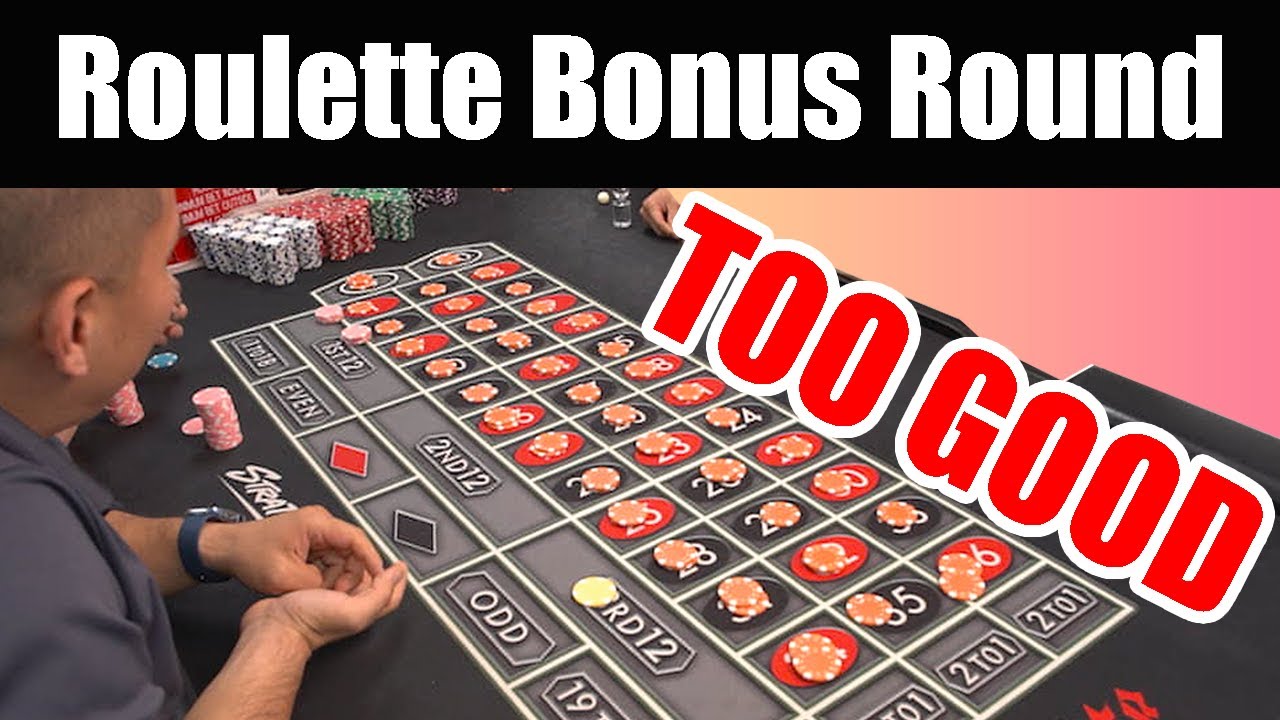
Imagine a Bonus Round in Roulette: How It Could Transform the Game
Mastering Roulette Strategies: Your Guide to Winning Big
Roulette, one of the most enticing games found in casinos worldwide, combines chance and strategy to create an exhilarating experience. While the game is undeniably thrilling, mastering the roulette strategy can dramatically improve your odds of winning. This comprehensive guide systematically explores effective roulette strategies, enabling you to make informed decisions at the table.
Understanding Roulette: A Brief Overview
Before delving into specific strategies, it’s crucial to understand the basic mechanics of the game. Roulette typically comes in two variants: European and American.
- European Roulette features a single zero, resulting in 37 pockets (numbers 0-36).
- American Roulette includes a double zero, bringing the total to 38 pockets (numbers 0-36 and 00).
The presence of the additional zero in American Roulette increases the house edge, making European Roulette a more favourable option for strategic players.
Key Roulette Terms
Familiarising yourself with the terminology used in roulette will enhance your overall game experience. Here are a few essential terms:
- Inside Bets: These bets are placed on specific numbers or small groups of numbers, offering higher payouts.
- Outside Bets: These are bets placed on larger groups, such as red or black, odd or even, offering lower payouts but better odds.
- Call Bets: A special type of bet placed on a specific section of the wheel, often used in French Roulette.
Popular Roulette Strategies Explained
1. The Martingale Strategy
The Martingale betting system is among the oldest and most well-known strategies in gambling. The concept is simple: you double your bet after every loss, aiming to recover all previous losses with a single win.
How It Works
- Start with a base bet, e.g., £1 on red.
- If you lose, increase your bet to £2.
- Continue wagering doubled amounts after each loss until you win.
Pros and Cons
- Pros: Theoretically effective in the short term; quick recovery of losses.
- Cons: Requires a substantial bankroll; can hit table limits; high risk of losing streaks.
2. The Reverse Martingale (Paroli) Strategy
The Reverse Martingale strategy takes the opposite of the Martingale approach. Rather than increasing your bets after losses, you increase your bets after wins.
How It Works
- Start with a base bet of £1 on red.
- If you win, double your bet for the next round.
- If you lose, revert to your initial stake.
Pros and Cons
- Pros: Limits losses by betting small amounts during a losing streak; leverages winning streaks for maximum profit.
- Cons: Can still lead to substantial losses; relies heavily on luck.
3. The Fibonacci Strategy
The Fibonacci system is based on the famous mathematical sequence, where each number is the sum of the two preceding ones. It’s a more conservative betting approach compared to Martingale.
How It Works
- The betting sequence is 1, 1, 2, 3, 5, 8, 13, etc.
- Start with 1 unit and move forward in the sequence after a loss.
- If you win, revert to the beginning of the sequence.
Pros and Cons
- Pros: Less aggressive than Martingale; easier to manage losses.
- Cons: Can still lead to significant losses; requires discipline to stick to the sequence.
4. The D’Alembert Strategy
This strategy is based on the principle of equilibrium. You increase your bet by one unit after a loss and decrease it by one unit after a win.
How It Works
- Start from your base unit, say £1.
- If you lose, increase your next bet to £2.
- If you win, decrease your bet back to £1.
Pros and Cons
- Pros: Considered safer; reduces risk more effectively over time compared to Martingale.
- Cons: May result in small wins and longer gameplay; not guaranteed to recover losses.
5. The Labouchere Strategy
The Labouchere system, also known as the cancellation method, allows players to create a sequence of numbers that represents their desired winning amount.
How It Works
- Write down a sequence (e.g., 1, 2, 3, 4).
- Bet the sum of the first and last numbers (1 + 4 = 5).
- If you win, cross out those numbers. If you lose, add the sum of your bet to the right end of the sequence.
Pros and Cons
- Pros: Provides a structured approach and control over losses.
- Cons: Can lead to long sequences; may require a substantial initial bankroll.
Choosing the Best Strategy for You
Selecting the appropriate strategy depends on several factors: your risk tolerance, bankroll, and personal preference.
When adopting any strategy:
- Set a Budget: Always play within your limits.
- Stay Disciplined: Stick to your chosen strategy without deviating.
- Choose the Right Variant: Consider playing European Roulette over American for a lower house edge.
Additional Tips for Success at the Roulette Table
- Practice: Utilize free online roulette games to test strategies without risking money.
- Manage Your Time: Set time limits for playing to avoid prolonged sessions that could lead to poor decision-making.
- Avoid Gambler’s Fallacy: Past results do not affect future spins; treat each spin as an independent event.
The Benefits of Using


Latest Post

news via inbox
Nulla turp dis cursus. Integer liberos euismod pretium faucibua


