
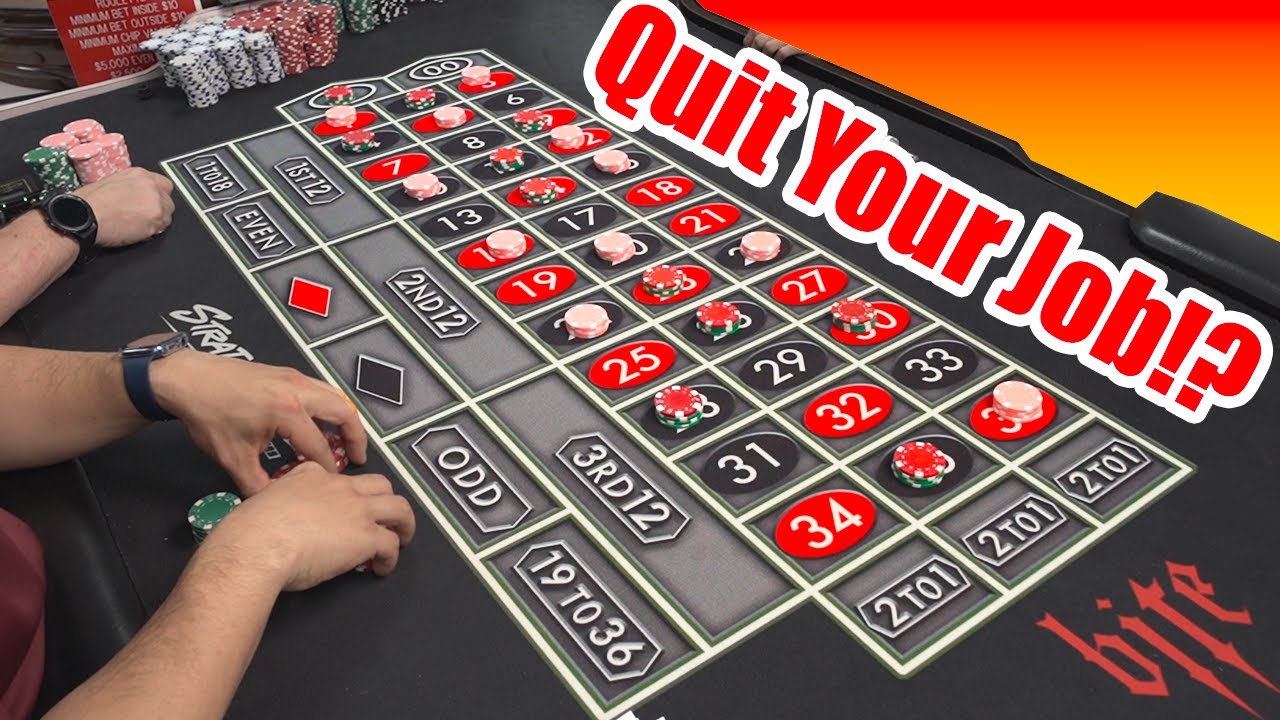
How a Roulette System Led to My Early Retirement: Discover the Secrets!
Mastering Roulette: The Ultimate Guide to Roulette Strategies
Roulette is one of the most iconic casino games, celebrated for its simplicity and thrilling gameplay. It captivates players worldwide with its spinning wheel and the possibility of substantial winnings. While roulette is fundamentally a game of chance, implementing a robust strategy can enhance your experience and potentially lead to greater profits. In this comprehensive guide, we will delve deep into various roulette strategies, how to efficiently use them, and why integrating tools like those from Roulette Calculators can be a game-changer.
Understanding Roulette Variants
Before diving into strategies, it’s vital to understand the different variants of roulette which include European Roulette, American Roulette, and French Roulette. Each variant has unique features that can affect the house edge and the effectiveness of your chosen strategy.
European Roulette
European Roulette features a single zero pocket, which means it has 37 total numbers (1-36 and a 0). This gives the house a lower edge of 2.7%, making it the preferred version for many players looking to maximise their odds.
American Roulette
American Roulette has both a single zero and a double zero pocket. Therefore, it includes 38 total numbers (1-36, 0, and 00). This version has a higher house edge of around 5.26%, making it generally less favourable for players.
French Roulette
French Roulette is similar to European Roulette but includes additional betting options such as "La Partage" and "En Prison," which can further reduce the house edge under certain circumstances.
Roulette Strategies You Should Consider
Many players employ various strategies designed not just to win but also to manage their bankroll effectively. Below are some of the most popular and actionable roulette strategies.
1. The Martingale Strategy
The Martingale System is perhaps the most famous betting strategy in gambling. It operates on a simple principle: double your bet after every loss. The idea is that a win will eventually occur, allowing you to recover your previous losses and make a profit equal to your original bet.
How to Implement the Martingale Strategy
-
Choose Your Base Bet: Start with a small bet, ideally on even-money bets like Red/Black or Even/Odd.
-
Double After a Loss: If you lose, double your bet for the next round.
- Reset After a Win: Upon winning, revert to your initial base bet.
While simple, this strategy does carry risk, particularly capital depletion during a losing streak. Always set a limit for the maximum bet you’re willing to place.
2. The Fibonacci Strategy
The Fibonacci System is based on a classic mathematical sequence where each number is the sum of the two preceding ones. In betting terms, this strategy is employed primarily for even-money bets.
How to Implement the Fibonacci Strategy
-
Start with the Sequence: Begin with the first two numbers: 1, 1.
-
Place Your Bets: Bet the third number in the sequence after each loss (1, 1, 2, 3, 5, etc.).
- Adjust After a Win: If you win, go back two steps in the sequence.
This strategy allows for a more gradual increment compared to the Martingale, reducing risk but potentially prolonging gameplay.
3. The D’Alembert Strategy
The D’Alembert strategy is a more conservative approach than the Martingale, which encourages a balanced betting approach.
How to Implement the D’Alembert Strategy
-
Set an Initial Bet: Decide a base betting unit.
-
Increase After a Loss: Increase your bet by one unit after a loss.
- Decrease After a Win: Decrease your bet by one unit after a win.
This system works on the premise that wins and losses will even out over time, making it a low-risk alternative.
4. The Labouchere System
Also referred to as the Cancellation System, the Labouchere strategy involves creating a sequence of numbers that represent the bets you plan to make.
How to Implement the Labouchere Strategy
-
Create Your Sequence: Write a sequence of numbers, where each number represents a unit of your betting.
-
Place Your Bet: The bet size equals the sum of the first and last numbers in your sequence.
- Adjust the Sequence: If you win, remove those numbers; if you lose, add the sum of both to the end of the list.
The Labouchere system offers more flexibility and can be a more engaging way to approach roulette betting.
5. Flat Betting
Flat betting is the simplest of all strategies and involves betting the same amount every round regardless of wins or losses.
How to Implement Flat Betting
-
Choose Your Bet Size: Establish a fixed amount that you are comfortable betting each time.
- Consistency is Key: Place the same bet every round, focusing on playing for an extended period rather than large wins.
This method is straightforward, helping prevent excessive losses and keeping your gaming experience enjoyable.
Bankroll Management in Roulette
Regardless of the strategy you choose, effective bankroll management is essential. Set a budget before playing and adhere to it strictly. Consider the following tips:
- Set limits for wins and losses: For instance, if you reach a predetermined amount of winnings or losses, consider ending your session.
- Avoid chasing losses: It’s tempting to increase your bets after a losing streak, but this can quickly lead to further losses.
- Opt for lower stakes tables: If you’re new to the game or trying out a new strategy, consider playing at tables with lower minimum bets.
The Importance of Tools: Enhancing Your Strategy
While implementing any of these strategies can improve your gameplay, using additional tools can significantly bolster your approach. For instance, tools available at Roulette Calculators can assist you in managing your bets more effectively and analysing your gameplay decision process.
Benefits of Using Roulette Calculators
-
Real-Time Analysis: Such tools provide valuable insights into the game’s statistics, helping you make informed decisions based on trends.
-
Bet Tracking: They allow you to keep track of your bets, losses, and wins, giving you greater control over your gaming sessions.
- Strategy Simulation: You can test different strategies before applying them in a real gaming environment, reducing risks associated with costly trial and error.
Conclusion
Roulette is a captivating game of chance that can also involve strategy, skill, and management. Whether you choose to employ the Martingale, Fibonacci, D’Alembert, Labouchere, or flat betting strategies, the key to success lies in consistency and effective bankroll management. Additionally, by utilising the tools from Roulette Calculators, you can sharpen your strategies and ultimately enhance your overall gaming experience.
For more information on the tools from Roulette Calculators, visit Roulette Calculators. Start optimising your roulette strategies today and enjoy a more rewarding gaming experience!


Latest Post

news via inbox
Nulla turp dis cursus. Integer liberos euismod pretium faucibua


