
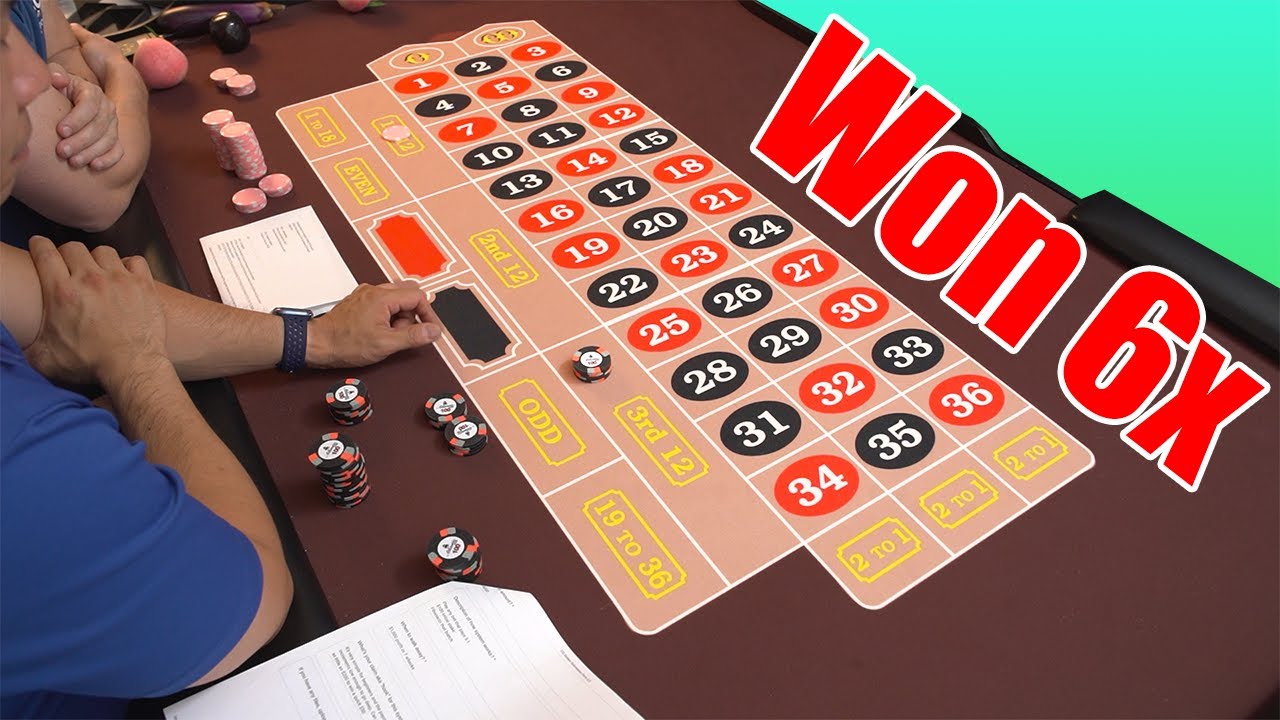
Unlock $1000: Proven Fibonacci Strategy for Consistent Wins
Mastering the Roulette Strategy: A Comprehensive Guide
Roulette is a captivating game of chance that has enchanted gamblers for centuries. With its spinning wheel, bouncing ball, and various betting options, it arouses excitement and anticipation. However, players often seek a strategy to enhance their odds of winning. This article delves deeply into roulette strategies, offering actionable advice and practical tips to help you maximise your potential at the roulette table.
Understanding Roulette
Before we delve into specific strategies, it is essential to comprehend the basic mechanics of roulette. The game features a rotating wheel divided into numbered pockets. In European roulette, there are 37 pockets numbered from 0 to 36, while American roulette has 38 pockets, including a double zero (00). Players can place a range of bets, including:
- Inside Bets: These bets are placed on specific numbers or small groups of numbers. They offer higher payouts but come with reduced odds of winning.
- Outside Bets: These encompass larger groups of numbers, such as red or black, even or odd, and high or low numbers. They provide better odds, albeit with lower payouts.
The Importance of a Roulette Strategy
While roulette is fundamentally a game of chance, employing a well-thought-out strategy can significantly improve your overall experience and potential returns. An effective strategy allows you to manage your bankroll wisely, reduce losses, and potentially increase your winnings.
Popular Roulette Strategies
1. The Martingale Strategy
The Martingale strategy is one of the most famous betting systems used not just in roulette but across various gambling games. The principle is simple: double your bet after every loss. When you eventually win, the idea is that you will recover all previous losses plus win a profit equal to your original bet.
Pros of the Martingale Strategy
- Ease of Understanding: The Martingale system is straightforward and easy to implement.
- Short-term Gains: Players sometimes experience quick wins, especially during short sessions.
Cons of the Martingale Strategy
- Table Limits: Most casinos impose betting limits, meaning you may hit a ceiling—leading to significant losses if you experience a losing streak.
- Risk of Ruin: A long losing streak can lead to substantial financial losses, making this strategy risky.
2. The Reverse Martingale Strategy
Also known as the Paroli system, the Reverse Martingale strategy is centred on increasing your bets during winning streaks instead of losing streaks. After a win, you double your bet, and after a loss, you return to your initial stake.
Pros of the Reverse Martingale Strategy
- Capitalise on Winning Streaks: You maximise your profits.
- Reduced Risk: It protects your bankroll during losses since you are less likely to continuously increase your bets.
Cons of the Reverse Martingale Strategy
- Winning Streaks Are Rare: Relying on a winning streak may not always yield positive results.
- Potential for Quick Losses: If you encounter a losing streak after a good run, you could lose your initial profits quickly.
3. The D’Alembert Strategy
The D’Alembert strategy is based on the principle of balancing losses and wins. After a loss, you increase your bet by one unit; after a win, you decrease it by one unit. This approach aims to create stability over time.
Pros of the D’Alembert Strategy
- Controlled Betting: It allows for a more tempered approach compared to Martingale systems.
- Ease of Use: The strategy is simple to grasp, making it accessible for new players.
Cons of the D’Alembert Strategy
- Slow Returns: While the D’Alembert system can offer more stability, it may not yield swift wins compared to other strategies.
4. The Fibonacci Strategy
Inspired by the Fibonacci sequence, this strategy involves betting according to a series of numbers where each number is the sum of the two preceding ones. For example, 1, 1, 2, 3, 5, 8, 13, etc. After a loss, you move one number forward in the sequence; after a win, you move back two numbers.
Pros of the Fibonacci Strategy
- Reduction of Risk: Like D’Alembert, it offers a slower increase in bets, reducing the risk of losing your entire bankroll quickly.
Cons of the Fibonacci Strategy
- Choppy Results: The effectiveness can be erratic, and prolonged losing streaks can still accumulate losses.
5. Flat Betting Strategy
Flat betting involves wagering a fixed amount on each round, regardless of your wins or losses. This method is often favoured by players who wish to maintain control over their bankroll.
Pros of Flat Betting Strategy
- Bankroll Management: It helps preserve your bankroll over time.
- Less Emotional Stress: You avoid the emotional ups and downs of adjusting your bets.
Cons of Flat Betting Strategy
- Limited Potential for Large Wins: Flat betting may slow the pace of gains compared to other strategies.
Best Practices in Roulette Strategy Implementation
1. Set a Budget
Before you step into the casino or open an online roulette table, establish a budget you are willing to lose. Your budget should dictate your betting strategy and the size of your bets. Stick to your budget and avoid chasing losses.
2. Choose European Roulette When Possible
European roulette has a single zero, which lowers the house edge to 2.7%, compared to 5.26% in American roulette. This makes European roulette a better option for players looking to optimise their strategy.
3. Take Advantage of Bonuses and Promotions
Some casinos offer bonuses and promotions for roulette players. Be sure to utilise these offers to stretch your bankroll further. However, always read the terms and conditions to understand any wagering requirements.
4. Practice with Free Games
Before committing real money, test your strategies in free roulette games. This will allow you to familiarise yourself with the game’s flow and refine your chosen strategy without the risk of losing money.
5. Be Mindful of Time
Playing for extended periods can lead to fatigue and poor decision-making. Establish a time limit for your gameplay to avoid emotional betting and hasty decisions.
6. Review and Adapt Your Strategy
No strategy is infallible. Regularly review your play, analyse which strategies yield the best results, and modify your approach as needed. This adaptability is crucial for long-term success.
The Role of Tools in Roulette Strategy
As you explore various roulette strategies, leveraging mathematical and analytical tools can enhance your gameplay. Websites like Roulette Calculators provide invaluable resources for players, including calculators and analytical tools designed to assist in strategy formulation.
Benefits of Using Tools from Roulette Calculators
-
Data Analysis: Use calculators to analyse past results and trends, helping you make informed betting decisions.
-
Bankroll Management: These tools allow for effective bankroll management by providing insights on optimal bet sizes based on your budget.
-
Simulation: You can simulate different strategies, allowing you to test their effectiveness without financial risk.
- Strategy Comparison: Evaluate various strategies side by side to discover which one aligns with your gambling style and preferences.
Conclusion
Understanding and implementing an effective roulette strategy can significantly enhance your gaming experience. By choosing a strategy that suits your risk tolerance and gameplay style, you can maximise your enjoyment while optimising your potential for winning. Remember, none of the strategies guarantees a win due to the inherent randomness of the game, but thoughtful execution can lead to better outcomes.
For more information on the tools from Roulette Calculators, visit Roulette Calculators. With the right tools and strategies, you can elevate your roulette experience and potentially increase your chances of success at the table. Happy spinning!


Latest Post

news via inbox
Nulla turp dis cursus. Integer liberos euismod pretium faucibua


